Let’s start this off with a shocking statistic: Every year, the U.S. military loses more personnel to traffic accidents than combat.
Shocking, yes … but it shouldn’t be surprising. Many factors are in play here. For example:
- Many of today’s recruits have never had a drivers license. As more of the U.S. population has moved to more urban areas, the need for a car has diminished. In many urban environments, owning a car is more of a bug than a benefit.
- Technology has transformed mobility. Ridesharing apps like Uber and Lyft are cheaper than car and insurance payments, especially for younger drivers. Light rail, E-bikes and scooters offer mobility options. Door Dash and pizza delivery bring food to your door. All mitigate the need for a driver’s license.
- Tech has redefined “community.” Texting, Instant Messaging, X, Zoom and Facetime are just a few of the apps that connect digital natives, lessening the need to meet in person.
All too often, these inexperienced young service personnel, with a little money in their pocket (perhaps for the first time), buy a motorcycle or muscle car and unleash their aggression on the street, with disastrous results. The impact on their families and fellow soldiers is life-changing; moreover, the effect on mission readiness is substantial.
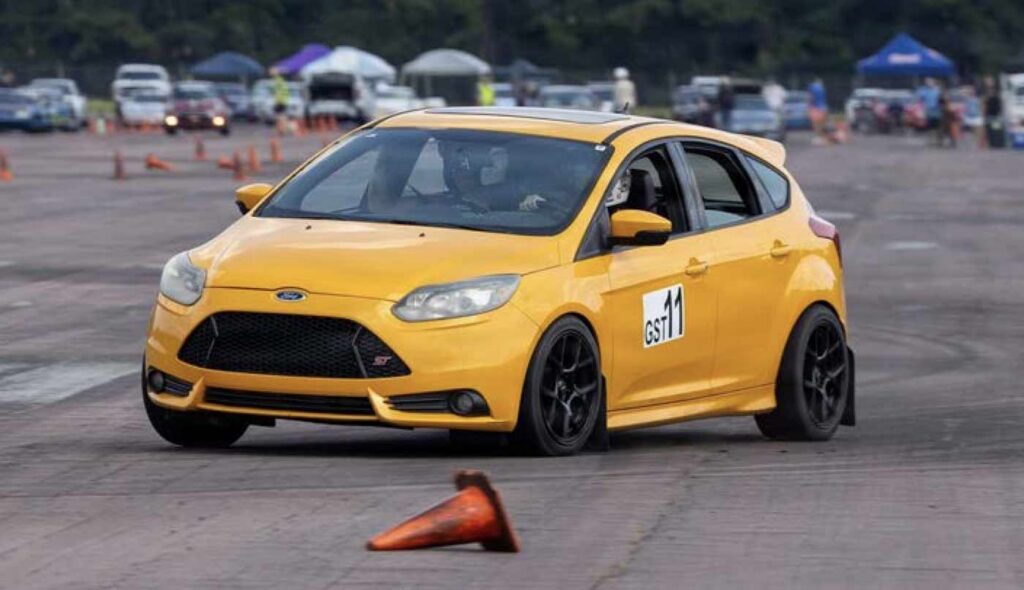
The SCCA Foundation has launched a pilot program to stem this (red) tide. SCCA Driven Warriors is intended to teach lifesaving driving skills to military personnel in a safe, controlled environment.
The Foundation has enlisted a powerful partner in this mission: The Association of the US Army (AUSA). Their 1.9 million members come from all components of the Army community, including Regular Army, National Guard, Army Reserve, Government Civilians, Retirees, Wounded Warriors, Veterans, concerned citizens and family members.
The partnership was forged in October of 2025 in a meeting with AUSA leaders at their headquarters in Arlington, VA. SCCA Board Chair Bob Crawford and I met with Brigadier General Jack Haley, (ret.), VP of Membership & Meetings; Sergeant Major of the Army Dan Dailey (ret.), VP of Non-Commissioned Officers & Soldier Programs, and Command Sergeant Major Troy Welch (ret.), Director of Membership.
The meeting highlighted the complementary strengths of both organizations:
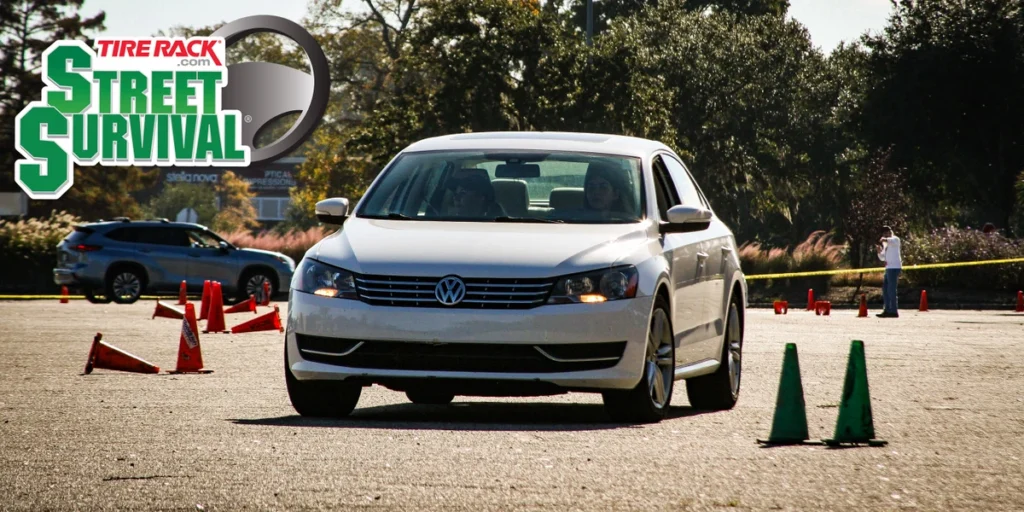
The SCCA, with its 65,000 annual members in 115 Regions nationwide, will host nearly 2,000 events in 2026, many of those drivers’ schools. Programs like Tire Rack Street Survival and SCCA Starting Line combine with regional schools to teach car control skills that can only be learned in the driver’s seat, at the limits of the performance envelope.
The AUSA brings deep relationships with Post leadership and other active-duty personnel. These translate into better access at higher levels, connecting SCCA with leaders who can help navigate the myriad requirements of staging events on a govenment installation.
Both are helped by SCCA’s long history of staging events on military installations. Former Foundation board member Raleigh Boreen has documented an impressive record of SCCA events on military sites and active airports going back years.
Much work remains before this pilot program can fulfill its mission and save Military lives. If your Region wants to join us, please email us at the link below to start a conversation: